The 5 Most Common Reasons Active Adults Stop Exercising (And How to Avoid Them)

If you are over 35, there is a good chance you have experienced this cycle:
You start exercising consistently.
Something begins to hurt.
You are not sure if you should push through it or stop.
You become worried about making it worse.
Eventually, you stop exercising altogether.
Unfortunately, this is one of the biggest reasons people lose strength, bone density, fitness, and confidence as they get older.
At 603 PT & Wellness in Dover, NH, we work with active adults every day who want to stay healthy, strong, and independent for life. Many people do not stop exercising because they are lazy. They stop because they are confused. They are unsure if their pain is normal, dangerous, or something they should ignore.
Let's look at the five most common reasons active adults stop exercising and how you can avoid them.
1. Back Pain
Back pain is one of the most common reasons people stop walking, lifting weights, golfing, gardening, or exercising.
The good news is that most back pain is mechanical pain. This means it changes with movement, position, and activity.
Many people assume back pain means they should rest. In reality, too much rest often makes back pain worse.
Tips for Home
Continue moving as much as possible
Take short walks throughout the day
Avoid staying in one position for long periods
Pay attention to movements that improve your symptoms
If a movement consistently reduces your pain, that is usually a good sign that your body likes that movement.
2. Knee Pain
Knee pain often causes people to stop exercising because they worry they are damaging their joints.
Many adults are surprised to learn that exercise is often one of the best things for knee pain.
Strong muscles help support and protect the knee joint.
Tips for Home
Reduce activity temporarily instead of stopping completely
Use shorter walks or smaller hills if needed
Continue strength exercises that feel comfortable
Focus on improving leg strength and balance
Pain does not automatically mean damage is occurring.
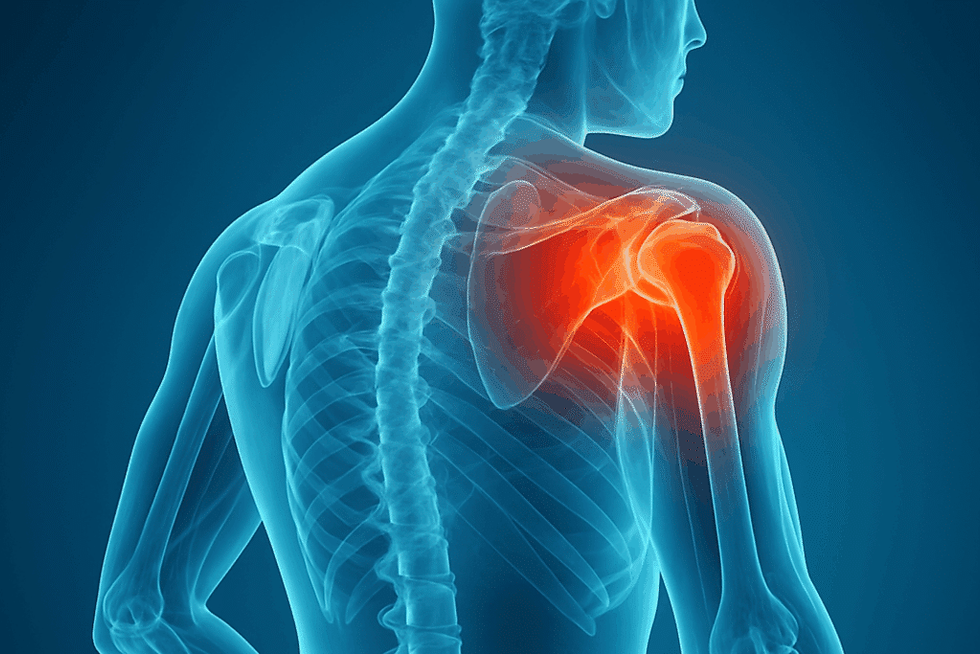
3. Shoulder Pain
Shoulder pain can make it difficult to exercise, sleep, reach overhead, or participate in sports.
Many people believe shoulder pain means they have a torn rotator cuff and should stop using their arm.
Research shows many adults have rotator cuff tears and never experience pain.
Tips for Home
Keep the shoulder moving within a comfortable range
Avoid complete immobilization
Improve posture during sitting and computer work
Start with lighter resistance and gradually build strength
Movement is often part of the solution.
4. Foot Pain
Foot pain can quickly reduce activity levels because every step becomes uncomfortable.
Many people believe foot pain is simply part of getting older.
It is not.
Pain in your feet while walking, hiking, exercising, or traveling is not something you should simply accept.
Tips for Home
Wear supportive footwear
Gradually increase walking distance
Improve ankle and big toe mobility
Strengthen the muscles of the feet and lower legs
Addressing foot pain early can help prevent bigger problems later.
5. Fear of Injury
This may be the most common reason of all.
Many active adults become afraid to exercise because they have been injured before.
Others have heard that certain activities are "bad" for their joints, back, or bones.
The result is that they stop doing things they enjoy.
Unfortunately, avoiding activity often creates new problems:
Loss of strength
Reduced bone density
Poor balance
Reduced endurance
Increased stiffness
The goal is not to avoid movement.
The goal is to learn how to move safely and confidently.
The Traffic Light System
One of my favorite ways to help people decide whether exercise is appropriate is the Traffic Light System.
Green Light
Pain is improving
Symptoms return to baseline shortly after activity
You feel better over the next day
Keep going.
Yellow Light
Mild soreness during exercise
Symptoms improve within 24 hours
Pain stays manageable
Monitor closely and consider modifying activity.
Red Light
Symptoms continue worsening
Pain spreads or becomes more intense
Symptoms do not settle within 24 hours
This is a sign that you should seek guidance.

Hurt vs Harm
One of the hardest parts of recovering from pain is understanding the difference between hurt and harm.
Many exercises may cause temporary discomfort as tissues adapt to new loads.
That does not necessarily mean damage is occurring.
This confusion causes many people to stop exercising when they may simply need better guidance.
The right exercise program should help you build confidence, not fear.
Stay Strong Through Perimenopause and Menopause
For women navigating perimenopause and menopause, staying active becomes even more important.
Hormonal changes can affect:
Muscle mass
Bone density
Recovery
Tendon health
Joint stiffness
Strength training, walking, balance work, and appropriate loading can help protect your bones, reduce pain, and support long-term health.
The goal is not simply to exercise today.
The goal is to stay active for the next 20, 30, or 40 years.
Don't Let Pain Decide What Your Future Looks Like
Pain can be frustrating, confusing, and sometimes scary.
But it does not have to force you to stop doing the things you love.
At 603 PT & Wellness, we help active adults identify the root cause of pain, understand what activities are safe, and build a plan that keeps them moving confidently.
Whether you are dealing with back pain, knee pain, shoulder pain, foot pain, or simply uncertainty about what is safe, we can help.
At 603 PT & Wellness, we work with adults throughout the Seacoast region who want to stay active and strong as they age. Many of our patients come from nearby communities including Dover, Portsmouth, Durham, Somersworth, Rochester, Exeter, Greenland, and Newmarket.
You do not have to stop exercising because of pain. With the right plan, you can stay strong, protect your bone health, and continue doing the activities you love for years to come.
Medical Disclaimer: This article is intended for educational purposes only and should not be considered medical advice. Always consult an appropriate healthcare professional regarding your specific condition and medical needs.


Comments